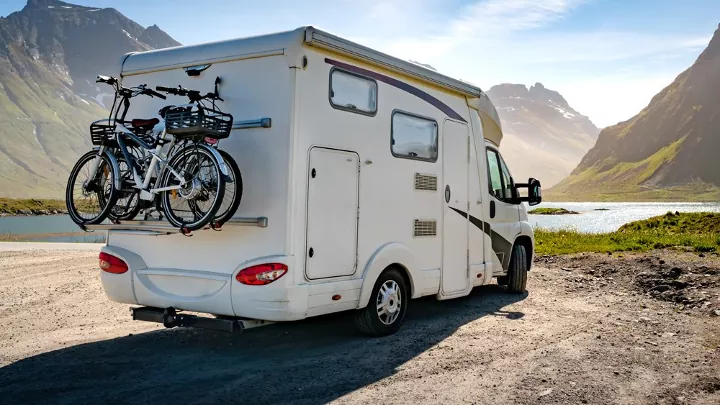
RV Insurance: What You Need to Know
Owning an RV opens up a world of adventure, freedom, and flexibility. Whether you’re exploring national parks, camping by serene lakes, or embarking on cross-country road trips, your RV becomes more than just a vehicle—it becomes a home on wheels. However, like any valuable asset, RVs come with risks, and having the right insurance is essential to protect both your investment and your peace of mind.
If you’re new to RV ownership or looking to ensure you have comprehensive coverage, a reliable RV insurance guide can help you navigate the complexities of policies, coverage options, and costs. Understanding the key aspects of RV insurance ensures you can enjoy your travels confidently, knowing that unexpected events won’t derail your plans.
Understanding RV Insurance and Its Importance
At its core, RV insurance functions similarly to standard auto insurance but with specialized coverage designed for recreational vehicles. Unlike a typical car, an RV combines transportation and living space, meaning the risks are more diverse. From collision damage and theft to liability and personal property loss inside the RV, the scope of potential claims is broader.
Many RV owners underestimate the importance of tailored insurance. For instance, while your standard auto insurance might cover a vehicle collision, it often won’t cover damages to the RV’s living area, appliances, or personal belongings. This is why dedicated RV insurance is crucial. It not only protects the vehicle itself but also addresses the unique liabilities and risks associated with recreational travel.
Types of RV Insurance Coverage
When exploring RV insurance options, it’s important to understand the different types of coverage available. Each type addresses a specific risk, allowing you to customize a policy based on your RV’s use, value, and travel habits.
Liability Coverage
This is one of the most fundamental types of RV insurance. Liability coverage protects you if you cause property damage or bodily injury to someone else while operating your RV. It is legally required in most states and forms the foundation of any insurance policy.
Collision and Comprehensive Coverage
Collision coverage handles damages resulting from accidents involving your RV and another vehicle or object, while comprehensive coverage protects against non-collision events such as theft, fire, vandalism, or natural disasters. Together, these coverages ensure that both unexpected accidents and external risks are addressed.
Personal Property Coverage
Unlike standard auto insurance, RV policies can include coverage for personal belongings inside your RV. This can include electronics, camping gear, and other valuable items, providing peace of mind during your travels.
Emergency Expenses and Roadside Assistance
Some RV policies offer additional perks, such as emergency expenses coverage, which can pay for lodging, meals, and transportation if your RV becomes unusable during a trip. Roadside assistance is another valuable add-on, especially for remote travel or long-distance trips where help may not be readily available.
Factors That Affect RV Insurance Costs
Understanding what influences RV insurance premiums can help you make informed decisions and find coverage that fits your budget. Several factors contribute to the cost of an RV policy, including the type, age, and value of your RV, your driving history, and how often you use the vehicle.
RV Type and Value
Motorhomes, travel trailers, and fifth wheels all have different insurance requirements. Generally, larger and more expensive RVs cost more to insure, not only due to their replacement value but also because they pose higher liability risks.
Driving History and Experience
Insurers consider your driving record when calculating premiums. A history of accidents or traffic violations can increase your costs, whereas experienced RV drivers with clean records may qualify for discounts.
Usage Patterns
How often and how far you drive your RV also matters. Regular long-distance trips, off-road excursions, or frequent camping in remote areas may elevate risk levels, potentially affecting your premiums. Conversely, RVs that remain parked for much of the year often qualify for lower rates.
Storage and Security Measures
Where and how you store your RV can influence insurance costs. Secure garages or RV parks with surveillance may help lower premiums, while parking your RV on the street or in unsecured areas could increase risk. Installing alarms, GPS trackers, or immobilizers may also qualify for discounts.
Common Misconceptions About RV Insurance
Despite the growing popularity of RV travel, many owners still hold misconceptions about insurance, which can lead to undercoverage or unnecessary expenses. Addressing these myths is essential for informed decision-making.
“My car insurance covers my RV.”
While standard auto insurance may provide some liability coverage for smaller RVs, it often does not cover personal property, living areas, or certain accident scenarios. A dedicated RV policy ensures comprehensive protection tailored to your vehicle’s unique risks.
“I don’t need full coverage for an old RV.”
Even older RVs benefit from adequate coverage, particularly liability and roadside assistance. Accidents, theft, or weather damage can be costly regardless of your RV’s age, making coverage essential.
“RV insurance is too expensive.”
While insurance represents an additional expense, the cost of repairs or total replacement without coverage far outweighs the premiums. Comparing policies, adjusting coverage levels, and taking advantage of discounts can make insurance affordable.
Tips for Choosing the Right RV Insurance
Selecting the ideal RV insurance requires careful research and consideration of your lifestyle, travel habits, and risk tolerance. Here are a few tips to guide your decision:
- Assess Your Needs: Consider how frequently you use your RV, the types of trips you take, and what assets inside the RV you want covered. This will help you determine the right coverage levels.
- Compare Policies: Not all RV insurance policies are created equal. Reviewing multiple insurers and their offerings ensures you find a policy that balances cost, coverage, and customer service.
- Check for Discounts and Bundles: Many insurers offer discounts for safe driving, multiple vehicles, membership in RV associations, or combining home and RV insurance.
- Understand Exclusions: Be aware of what your policy does not cover, such as certain types of water damage, off-road accidents, or specific personal property. Knowing this upfront avoids surprises later.
- Consult an Expert: A knowledgeable insurance agent specializing in RVs can help you navigate policy options, explain coverage nuances, and identify gaps in protection. Using a comprehensive RV insurance guide can further simplify this process.
The Value of Proper RV Insurance
Proper RV insurance isn’t just a regulatory or financial requirement—it’s an investment in your freedom and peace of mind. Whether you’re traveling solo, with family, or as part of a larger RV community, knowing you’re protected against accidents, theft, or natural disasters allows you to focus on the experiences that matter most.
Additionally, RV insurance contributes to long-term savings. By covering potential repair costs, medical expenses, or property losses, it prevents unexpected financial burdens from disrupting your lifestyle. This is particularly important for individuals who consider their RV a second home or primary source of travel and leisure.
Conclusion
Traveling in an RV offers unparalleled adventure and flexibility, but it also comes with unique risks that standard auto insurance simply cannot address. From liability and collision coverage to personal property and emergency expenses, understanding the nuances of RV insurance is crucial for every owner. By consulting a reliable RV insurance guide and carefully evaluating your needs, you can secure comprehensive protection that safeguards both your vehicle and your experiences.
Keep an eye for more latest news & updates on Primerem!