Choosing the Right Trailer for Your Next Adventure
Embarking on a road trip or camping excursion can be one of the most liberating experiences, but much of that enjoyment depends on selecting the right trailer for your adventure. Whether you’re a seasoned traveler or planning your first long-haul journey, understanding what trailer fits your lifestyle, towing capabilities, and travel goals is essential. For those looking to explore with confidence, choosing a travel trailer that aligns with your needs is the first step toward a seamless and memorable experience.
With countless options on the market, from lightweight models for solo travelers to expansive floorplans suitable for families, the decision-making process can seem daunting. Yet, by breaking down the key factors that influence trailer choice, you can make an informed decision that ensures both safety and enjoyment on the road.
Understanding Your Travel Goals and Lifestyle
Before delving into the specifications of different trailers, it’s important to reflect on your personal travel goals and lifestyle. Are you planning weekend getaways, extended road trips, or off-grid adventures? Your intended use will directly affect the type of trailer that best suits your journey.
For example, if your trips are typically short and involve frequent moves between destinations, a smaller, lightweight trailer may be ideal. These models are easier to tow, require less fuel, and can navigate tight campgrounds with ease. Conversely, if your goal is to spend weeks or months on the road, a larger trailer with full amenities such as a full kitchen, bathroom, and separate sleeping areas will provide greater comfort and self-sufficiency.
Additionally, consider your travel companions. Solo adventurers might prioritize mobility and simplicity, while families or groups may value space, storage, and separate sleeping arrangements. Understanding these nuances helps narrow down the trailer types that align with your needs and ensures a smoother travel experience.
Types of Travel Trailers: Finding the Right Fit
Travel trailers come in several shapes and sizes, each designed to meet specific needs and preferences. Familiarizing yourself with the main types can streamline your decision-making process:
- Lightweight Trailers: These are compact, fuel-efficient, and easy to tow, often compatible with mid-sized SUVs or trucks. They’re perfect for couples or solo travelers who prioritize flexibility over extensive amenities.
- Standard Travel Trailers: Offering a balance of size and comfort, these trailers are ideal for families or travelers seeking moderate space without overburdening their towing vehicle. They often include basic kitchen and bathroom facilities.
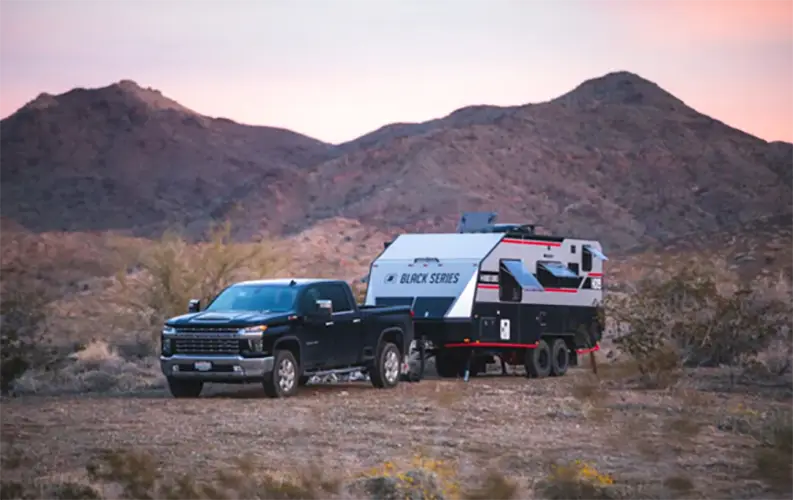
- Fifth-Wheel Trailers: Distinguished by their unique hitching system that connects to the truck bed, fifth-wheel trailers provide additional stability and often feature multiple rooms and generous living spaces. They are best suited for experienced travelers with heavy-duty trucks.
- Toy Haulers: These trailers cater to those who want to bring recreational equipment, such as ATVs, motorcycles, or bicycles, on their adventures. They combine living space with a garage area for transporting toys safely.
Each type offers unique benefits, and choosing a trailer should align with your towing capacity, travel plans, and lifestyle preferences. Researching specific models and floorplans, along with visiting dealerships, can provide a tangible sense of what works best for you.
Key Considerations When Choosing a Trailer
Once you’ve identified the type of trailer that fits your travel style, several technical and practical considerations should guide your selection:
Towing Capacity: Your vehicle’s towing capacity is a critical factor. Exceeding it can compromise safety, handling, and fuel efficiency. Always consult your vehicle’s specifications and choose a trailer within its safe towing range.
Weight and Dimensions: Beyond towing capacity, consider the trailer’s overall weight, length, and height. Larger trailers offer more space but may require specialized licenses or driving skills, while smaller trailers provide greater maneuverability and ease of parking.
Amenities and Layout: Modern travel trailers offer a range of features, from full kitchens and bathrooms to entertainment systems and climate control. Evaluate which amenities are essential versus optional based on your travel habits. Layouts also play a significant role in comfort, especially for extended trips or families.
Storage and Capacity: Adequate storage for personal items, outdoor gear, and supplies is essential. Consider both interior cabinets and exterior compartments, particularly if you plan to travel with multiple people or equipment.
Durability and Build Quality: Trailers endure a lot of wear and tear, from highway travel to exposure to the elements. Look for quality materials, solid construction, and reputable manufacturers. Reading reviews and seeking expert opinions can provide insight into long-term durability.
Maintenance Requirements: Understanding the maintenance needs of a trailer, from routine inspections to seasonal upkeep, ensures that your adventures remain hassle-free. Some trailers require more intensive maintenance than others, which can affect your long-term satisfaction.
Practical Tips for a Smooth Buying Experience
Choosing a trailer involves more than evaluating technical specifications; it’s also about ensuring the purchase process is straightforward and informed. Here are a few tips to help navigate the journey:
- Set a Realistic Budget: While trailers range widely in price, consider long-term costs, including insurance, maintenance, and fuel. Balancing upfront cost with long-term usability is crucial.
- Test Tow Before You Buy: If possible, test-tow different models to get a feel for handling, braking, and overall maneuverability. This step can prevent unpleasant surprises once you hit the road.
- Seek Expert Guidance: Dealers and experienced RV enthusiasts can offer valuable advice tailored to your specific needs. They can also provide insights into local regulations, warranties, and support services.
- Plan for Future Growth: Consider how your travel habits might evolve. A trailer that fits your current needs may become inadequate if your family grows or if you decide to explore off-grid adventures. Planning for flexibility ensures long-term satisfaction.
- Inspect Thoroughly: Before finalizing a purchase, inspect the trailer for structural integrity, working systems, and overall quality. Even new trailers can have manufacturing defects, and thorough inspection safeguards your investment.
Enhancing Your Travel Experience
Selecting the right trailer is just the beginning. How you equip and prepare your trailer significantly impacts the quality of your adventures. Investing in quality towing equipment, learning basic maintenance skills, and understanding campsite etiquette are all essential steps.
Additionally, consider technology integration. GPS systems designed for RV travel, solar panels for off-grid power, and mobile apps for campsite reservations can enhance convenience and safety. These tools allow you to focus on the journey rather than logistical challenges.
Finally, remember that your trailer is a lifestyle investment. Beyond its specifications and features, it represents freedom, flexibility, and the ability to explore new places on your terms. Choosing wisely ensures that each trip becomes a cherished memory rather than a logistical struggle.
Conclusion
Selecting the right travel trailer is a blend of technical knowledge, practical considerations, and personal preference. By assessing your travel goals, understanding trailer types, and weighing key factors such as towing capacity, amenities, and durability, you set the stage for rewarding and stress-free journeys.
Keep an eye for more latest news & updates on Primerem!