Oronsuuts in Mongolia: Understanding Apartment Living and Modern Housing Life
When we talk about oronsuuts, we are basically talking about apartment housing in Mongolia. It is the most common urban housing system where many families live in shared buildings with common infrastructure like heating, water supply, electricity, and waste management. In simple words, oronsuuts is the Mongolian apartment lifestyle that shaped modern city living, especially in Ulaanbaatar and other growing cities.
Over time, oronsuuts has become more than just a place to live. It represents comfort, convenience, and urban development in a country where traditional gers (yurts) are still an important part of culture. Today, a large portion of the population in cities lives in oronsuuts, and it continues to evolve with new construction, better facilities, and modern designs.
What Does Oronsuuts Really Mean?
The word “oronsuuts” literally refers to housing units or apartments. But in real life, it means much more. It is a complete residential system where multiple families live in one building, usually divided into floors and separate apartments.
Each apartment is a private space, but many services are shared. These include central heating systems, water pipelines, elevators, staircases, and sometimes even shared parking areas. So, we can say oronsuuts is a mix of private living space and shared community infrastructure.
Unlike traditional nomadic housing, where people move frequently, oronsuuts is fixed, stable, and designed for long-term urban living. This shift shows how Mongolia has modernized over the past few decades.
The History Behind Oronsuuts in Mongolia
To understand oronsuuts, we need to look back a little. Mongolia has a strong nomadic tradition, where people lived in gers and moved with seasons. But as cities developed, especially during the socialist era, apartment buildings started appearing.
During that time, many Soviet-style apartment blocks were built in Ulaanbaatar and other cities. These buildings introduced central heating systems, structured neighborhoods, and planned urban layouts. This was the beginning of oronsuuts culture in Mongolia.
After the transition to a market economy, apartment construction increased even more. Private companies started building modern residential complexes, and people began moving from gers and suburban areas into apartments. Today, oronsuuts is a key part of urban life and continues to expand rapidly.
Structure of an Oronsuuts Building
An oronsuuts building is usually designed in a very practical way. Most buildings are made of concrete and consist of multiple floors, often ranging from 4 to 16 stories depending on the area and development.
Inside each building, we typically find:
- Separate apartments for families
- Shared hallways and staircases
- Elevators in newer buildings
- Central heating systems
- Water supply and drainage systems
- Electricity distribution panels
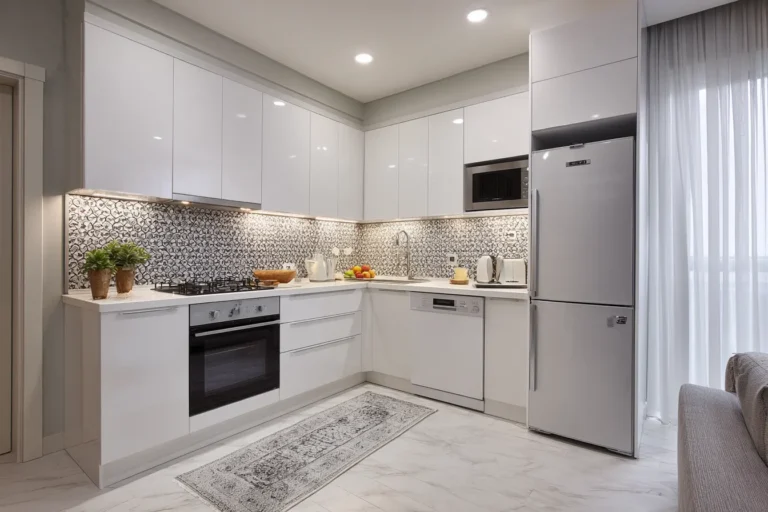
Each apartment is self-contained, meaning families have their own kitchen, bathroom, bedrooms, and living space. However, the building itself operates as a shared system where maintenance and utilities are managed collectively.
Why Oronsuuts Is So Important in Urban Mongolia
We can’t talk about modern Mongolian cities without talking about oronsuuts. It plays a huge role in how people live today.
One of the main reasons it is so important is convenience. Life in cities like Ulaanbaatar can be harsh in winter, with extremely cold temperatures. Oronsuuts buildings provide central heating, which makes life much more comfortable and safe.
Another reason is efficiency. Instead of each family managing their own heating or water system, everything is centralized. This reduces effort and ensures more reliable services.
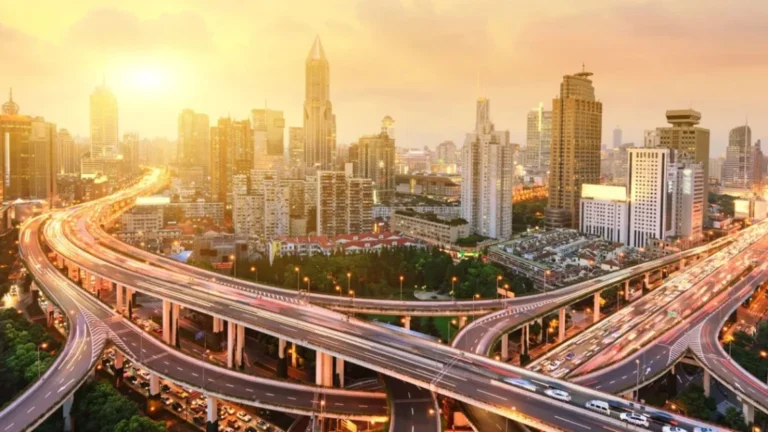
Also, with increasing urban population, land space is limited. Apartment buildings allow more people to live in smaller areas, making better use of available land.
Life Inside Oronsuuts: How It Feels
Living in oronsuuts is very different from living in a ger or a standalone house. Inside an apartment, life feels more structured and organized.
We usually wake up in a warm room during winter because of central heating. Water is available through taps, electricity is stable in most buildings, and internet access is widely available in urban apartments.
Neighbors live very close to each other, sometimes just a wall away. This creates a sense of community, but also requires respect for privacy and noise levels.
Children often play in hallways or nearby playgrounds, and families interact in shared spaces like elevators, entrances, or courtyards.
Even though life is more modern and convenient, some people still miss the freedom of open land and traditional living. So oronsuuts life is often a balance between comfort and limited space.
Advantages of Oronsuuts Living
There are many reasons why people prefer oronsuuts, especially in cities. Let’s look at some of the main benefits.
1. Comfort in Extreme Weather
Mongolia is known for its harsh winters. Oronsuuts buildings are built with central heating systems, which make indoor life warm and comfortable even when it is freezing outside.
2. Access to Utilities
Water, electricity, and sewage systems are already built into the apartment structure. This makes life easier compared to rural or semi-urban housing.
3. Safety and Security
Most apartment buildings have locked entrances and sometimes security systems. This adds a layer of safety for families.
4. Better Location
Oronsuuts buildings are usually located in city areas, close to schools, hospitals, shops, and offices. This saves time and travel cost.
5. Community Living
Even though each family has private space, there is still a sense of community. People often know their neighbors and interact regularly.
Challenges of Oronsuuts Living
Of course, oronsuuts is not perfect. There are also some challenges that come with this lifestyle.
1. Limited Space
Apartments are usually smaller compared to houses or gers. Families need to adjust their lifestyle to fit in limited space.
2. Maintenance Costs
Living in an apartment often comes with monthly maintenance fees for building services, repairs, and shared utilities.
3. Noise and Privacy Issues
Because many families live close together, noise can sometimes be a problem. Privacy is also less compared to standalone houses.
4. Infrastructure Problems
In older buildings, issues like weak plumbing, elevator breakdowns, or heating problems can occur.
5. Overcrowding in Cities
As more people move into cities, apartment demand increases, leading to overcrowding and rising prices.
Modern Oronsuuts Developments
In recent years, oronsuuts has changed a lot. New residential projects are being built with modern designs, better insulation, underground parking, and improved safety systems.
Developers now focus on comfort and lifestyle. Many new apartments include:
- Fitness centers
- Playgrounds for children
- Underground garages
- Security cameras
- Smart home systems in some cases
These modern apartments are very different from older Soviet-style buildings. They offer a more comfortable and stylish urban lifestyle.
Oronsuuts vs Traditional Ger Living
One interesting thing about Mongolia is the contrast between oronsuuts and ger living.
Gers represent traditional nomadic life. They are flexible, movable, and closely connected to nature. Oronsuuts, on the other hand, represents urban life, stability, and modern convenience.
Many families actually experience both lifestyles. Some live in apartments during winter and move to gers or suburban houses during summer. This mix of old and new is a unique part of Mongolian culture.
The Future of Oronsuuts in Mongolia
Looking ahead, oronsuuts will continue to play a major role in Mongolia’s urban development. As cities grow, more people will move into apartment housing.
We can expect to see:
- Smarter buildings with energy-efficient systems
- More eco-friendly construction
- Better urban planning
- Affordable housing projects
- Improved public services
At the same time, challenges like housing affordability and infrastructure pressure will need to be managed carefully.
Final Thoughts
Oronsuuts is not just a type of housing. It is a reflection of how Mongolia is changing and growing. From traditional nomadic life to modern apartment living, the journey shows a country balancing history and development.
For many of us living in cities, oronsuuts represents comfort, stability, and opportunity. It brings people closer to services, education, and jobs, while also creating a shared urban lifestyle.