Axurbain: Exploring the Future of Urban Innovation
Introduction to Axurbain
When people come across the term Axurbain, their first instinct is usually to pause and wonder what it represents. At its core, Axurbain is not just a name but a concept that embodies innovation, modernization, and the rethinking of urban environments. While many industries are moving towards digital transformation, smart technology, and sustainable living, Axurbain fits right into that movement as an idea that bridges the gap between urban life and futuristic solutions.
The rise of smart cities and integrated living has shown us that our traditional ways of managing urban spaces are no longer sustainable. We need systems, platforms, and designs that work in harmony with technology, environmental consciousness, and human needs. That’s exactly where a concept like Axurbain shines—it brings together these elements under one umbrella.
Over time, discussions around Axurbain have grown, not because it’s just another trendy keyword, but because it represents a vision of progress. Think of it as an urban philosophy where the goal isn’t only building bigger cities but building smarter, more efficient, and more humane ones.
The Origin and Meaning of Axurbain
To understand Axurbain properly, we need to look at the essence of the word itself. The prefix “Ax” often suggests centrality, focus, or a core element. “Urbain,” derived from “urban,” relates directly to cities, metropolitan environments, and human settlements. Together, Axurbain paints the picture of an “urban axis”—a central force in the reshaping of cities.
While some might view it as a futuristic brand name, the deeper interpretation makes it far more intriguing. Axurbain represents the merging of centrality with urban life, suggesting that it could be a hub of urban ideas, technologies, or strategies designed to optimize modern living.
The origins of Axurbain might be tied to innovative startups, city planning projects, or even digital platforms exploring smart technology solutions for city problems. Regardless of its exact birth point, the concept resonates strongly with architects, engineers, tech developers, and citizens who dream of more efficient city living.
Axurbain and the Vision of Smart Cities
One of the strongest associations people make with Axurbain is its alignment with the idea of smart cities. These cities are designed with interconnected technology where sensors, AI systems, and data analytics help manage energy, traffic, healthcare, and even security.
Imagine walking through a city where streetlights automatically adjust based on pedestrian activity, public transport updates appear in real time on your phone, and waste management systems alert authorities before bins overflow. This is the kind of vision that Axurbain is tied to—a seamless integration of daily life with intelligent infrastructure.
More importantly, Axurbain emphasizes that technology alone cannot solve urban challenges. It promotes a holistic view where digital transformation, sustainable policies, and citizen participation all work together. In this way, Axurbain is less about gadgets and more about creating a system where people thrive in harmony with technology
Why Axurbain Matters in Today’s World
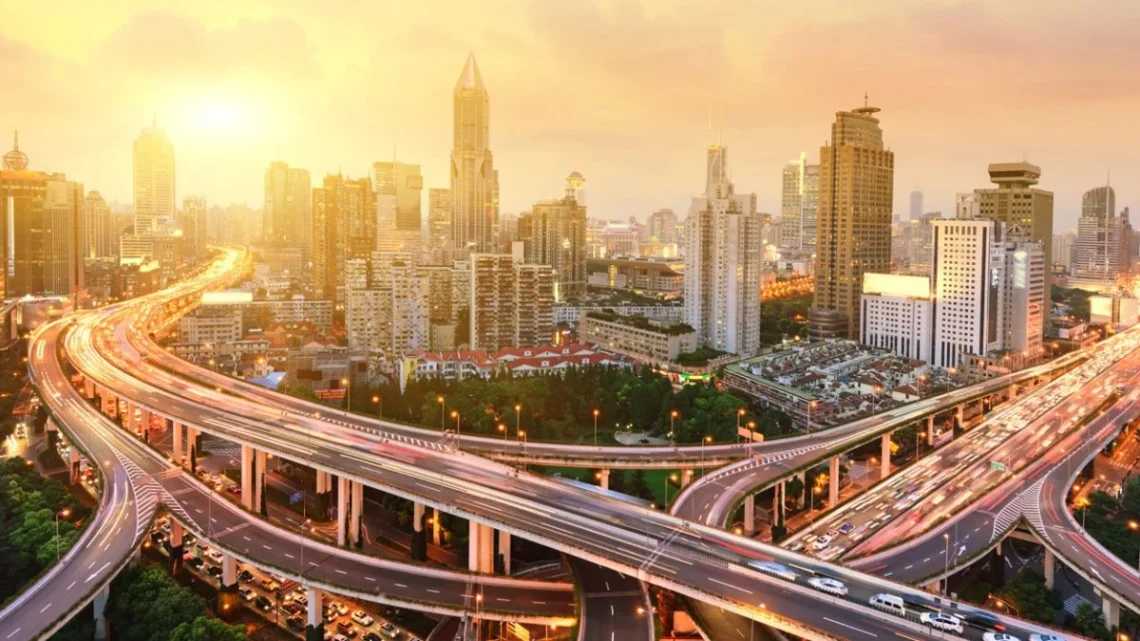
Cities are growing at an unprecedented rate. According to UN data, more than half of the world’s population already lives in urban areas, and this number is expected to rise sharply in the coming decades. With growth comes challenges: housing shortages, traffic congestion, pollution, and strained public services. This is why Axurbain becomes so important—it isn’t just a theoretical idea but a practical response to real-world issues.
By focusing on smarter infrastructure, Axurbain suggests ways to optimize resources. For example, smart water systems could prevent shortages, intelligent grids could ensure stable power supplies, and automated transport could reduce accidents and delays. These solutions aren’t science fiction anymore; they’re achievable, and Axurbain represents the mindset needed to implement them.
Furthermore, Axurbain also highlights the importance of human-centered design. Cities should not just be efficient but also livable. That means more green spaces, accessible transportation, inclusive planning, and housing models that adapt to diverse income groups. In short, Axurbain matters because it balances both progress and humanity.
Axurbain and Sustainability
One of the cornerstones of Axurbain’s philosophy is sustainability. With climate change becoming an ever-pressing issue, cities cannot afford to expand without responsibility. Traditional urban expansion has often come at the cost of the environment, but Axurbain flips that narrative.
Sustainability under Axurbain means integrating renewable energy, promoting eco-friendly transportation, reducing carbon footprints, and preserving natural landscapes within city planning. For example, vertical farming, green rooftops, and solar-powered neighborhoods all fall under Axurbain-inspired ideas.
Additionally, the concept doesn’t just stop at environmental sustainability—it also includes social and economic sustainability. Ensuring fair access to resources, creating job opportunities in green industries, and developing inclusive city policies are equally important. By doing so, Axurbain promotes a long-term model where cities don’t just survive—they thrive.
Axurbain in Technology and Innovation
Another dimension of Axurbain is its blowout taper relationship with technology. From artificial intelligence to the Internet of Things (IoT), Axurbain represents the urban application of cutting-edge innovations. Instead of technology being an afterthought, Axurbain integrates it directly into the design of cities.
Consider a scenario where autonomous vehicles communicate with traffic systems to reduce congestion. Or imagine health services where wearable devices send data directly to hospitals, enabling faster emergency responses. These are not far-fetched ideas—they are part of the Axurbain ecosystem.
Moreover, Axurbain isn’t just about high-tech systems but also about accessibility. It envisions technology that serves everyone, not just the wealthy. For example, affordable smart homes, public Wi-Fi zones, and open data platforms could all be products of the Axurbain mindset.
Axurbain and Urban Culture
When people think about urban innovation, they often focus only on infrastructure. But Axurbain reminds us that culture is an equally important part of city life. Cities are hubs of creativity, diversity, and social interaction, and any model of the future must protect that spirit.
Axurbain encourages the design of cities that foster community engagement. Public spaces, cultural centers, art districts, and interactive events all form part of this vision. It’s not just about building functional cities but also vibrant ones where people can connect, celebrate diversity, and express creativity.
By integrating culture into city design, Axurbain ensures that progress doesn’t strip away identity. Instead, it preserves traditions while creating new avenues for cultural expression in modern contexts.
The Future Possibilities of Axurbain
Looking ahead, the future of Axurbain is full of possibilities. As governments, private companies, and communities invest more into smart technologies and sustainable models, the Axurbain philosophy will likely play a central role in shaping strategies.
We could see entire cities being built from scratch based on Axurbain principles. Or, older cities might gradually transform by incorporating Axurbain-inspired infrastructure upgrades. Either way, the journey is ongoing, and the results promise to redefine urban life as we know it.
Another exciting possibility is the global collaboration that Axurbain can inspire. Since cities across the world face similar issues, sharing Axurbain-based solutions could create a universal model adaptable to local needs.
Challenges Facing Axurbain
Of course, no concept is without challenges, and Axurbain is no exception. The biggest hurdles are cost, implementation speed, and political will. Building smart and sustainable cities requires massive investment, and not every government or private entity is ready to take that leap.
Additionally, there are concerns about privacy and data security. With so much reliance on technology, how do we protect citizens from surveillance or misuse of their data? Axurbain must address these ethical questions if it wants to truly succeed.
Finally, inclusivity is a challenge. If Axurbain-inspired cities only serve the rich, then the concept loses its credibility. Ensuring affordability and equal access is key to its long-term success.
Conclusion: Why Axurbain Deserves Attention
In summary, Axurbain isn’t just a buzzword—it’s a vision. It symbolizes smarter, greener, and more humane cities built on innovation and sustainability. From technology integration and sustainability to cultural preservation and inclusivity, Axurbain touches every aspect of urban life.
Yes, challenges exist, but the opportunities far outweigh them. As the world continues to urbanize, Axurbain provides a roadmap for cities that don’t just grow but evolve responsibly. Whether you’re a policymaker, a tech innovator, or simply a citizen dreaming of better cities, Axurbain is an idea worth paying attention to.
Keep an eye for more latest news & updates on Primerem!