Attic Renovation Ideas: Storage, Living Space, Insulation, and Ventilation
An attic is often one of the most overlooked areas in a home. For many homeowners, it becomes a place to store old boxes, seasonal decorations, and forgotten belongings. However, with thoughtful planning and the right renovations, an attic can become one of the most practical and valuable spaces in the house. Whether your goal is to maximize storage, create an extra bedroom, build a home office, or improve your home’s energy efficiency, renovating the attic offers countless opportunities.
A well-designed attic renovation not only increases usable square footage but can also improve comfort, lower heating and cooling costs, and boost property value. Before starting your project, it’s important to understand the structural requirements, insulation options, ventilation systems, and design possibilities that contribute to a successful transformation.
Why Renovate Your Attic?
Many homes have unused attic space that can serve a much greater purpose. Instead of letting valuable square footage sit empty, homeowners can convert it into functional living areas or organized storage.
Some of the biggest benefits include:
- Increased living space without building an addition
- Higher home resale value
- Better energy efficiency
- Improved organization
- Enhanced indoor comfort
- Greater return on renovation investment
Unlike expanding your home’s footprint, renovating an attic often costs less while delivering similar benefits.
Assessing Your Attic Before Renovation
Every attic is different. Before making renovation plans, inspect the space carefully.
Ceiling Height
Building codes typically require enough ceiling height for occupants to move comfortably. Low rooflines may limit certain renovation ideas.
Floor Strength
Attics originally designed only for storage may not support the weight of furniture, flooring, or occupants. Reinforcing floor joists may be necessary.
Roof Condition
A leaking or aging roof should always be repaired before beginning interior work. Moisture problems can ruin insulation, drywall, and flooring.
Accessibility
Safe access is essential. Many older homes have pull-down ladders that are unsuitable for daily use. Installing a permanent staircase often becomes part of the renovation.
Popular Attic Renovation Ideas
One of the greatest advantages of an attic renovation is flexibility. The space can serve almost any purpose depending on your family’s needs.
Comfortable Bedroom
Attics naturally provide privacy, making them excellent locations for guest bedrooms or primary suites. Skylights, dormer windows, and built-in storage help maximize both comfort and functionality.
Home Office
Remote work has made home offices increasingly important. An attic office offers quiet surroundings away from busy household activities.
Children’s Playroom
Families with young children often transform attics into dedicated playrooms where toys remain organized without occupying other living areas.
Home Library
Sloped ceilings create a cozy atmosphere ideal for reading rooms. Built-in bookshelves can utilize awkward wall angles effectively.
Entertainment Room
Movie nights, gaming, music, or family gatherings can all take place in a renovated attic equipped with comfortable seating and proper lighting.
Fitness Area
Home gyms continue to grow in popularity. Rubber flooring, mirrors, and adequate ventilation make an attic a practical exercise space.
Smart Storage Solutions
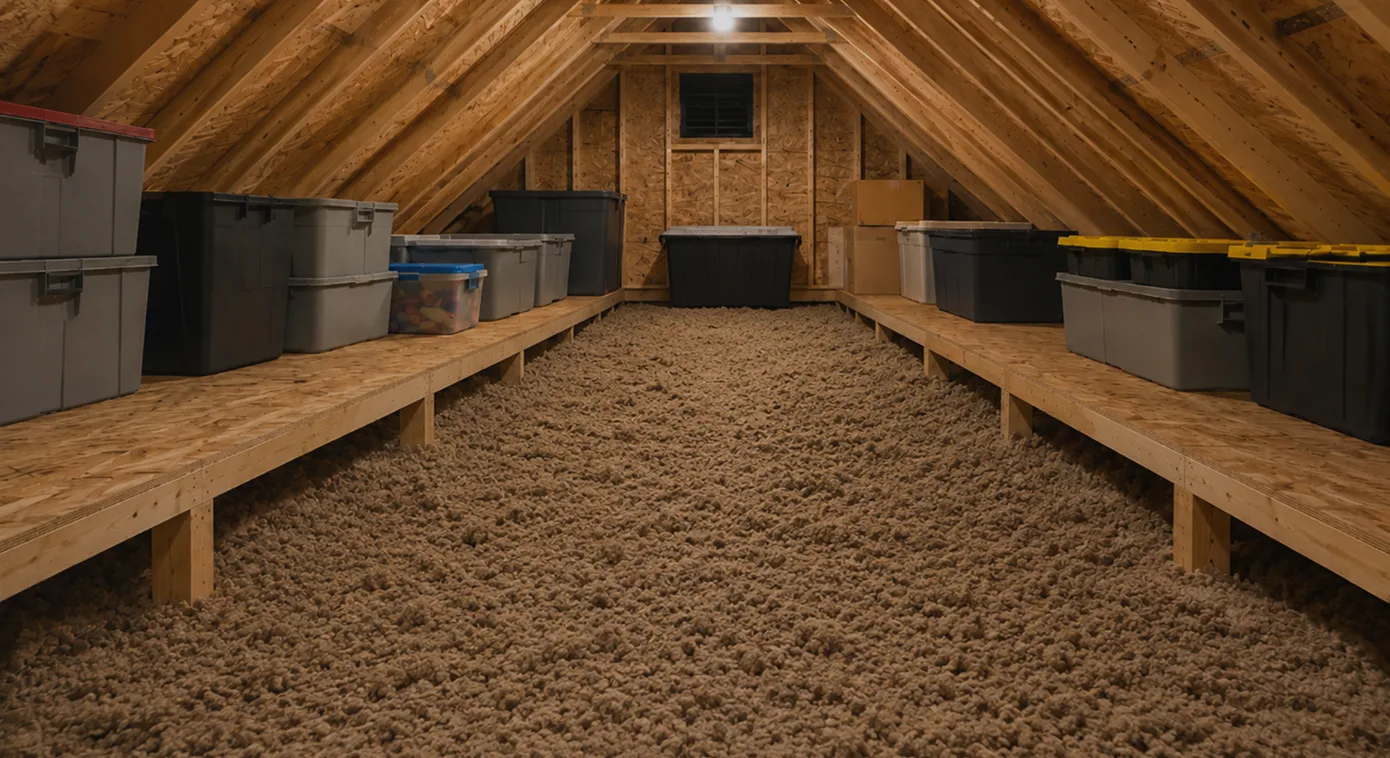
Even if you don’t convert your attic into a full living space, organized storage can dramatically improve your home’s functionality.
Built-In Cabinets
Custom cabinets designed around sloped ceilings maximize every available inch.
Knee Wall Storage
The low spaces beneath angled roofs often go unused. Installing access doors creates hidden storage compartments perfect for seasonal items.
Shelving Systems
Heavy-duty shelving keeps boxes organized while maintaining easy access.
Overhead Storage
Properly reinforced attic framing can support additional overhead storage racks for lightweight items.
Label Everything
Using labeled storage bins prevents unnecessary searching and keeps belongings organized throughout the year.
Designing a Comfortable Living Space
Creating a pleasant attic involves more than simply finishing the walls.
Natural Light
Natural lighting makes small spaces appear much larger. Consider adding:
- Skylights
- Roof windows
- Dormer windows
- Solar tubes
These features brighten the room while reducing daytime electricity use.
Artificial Lighting
Since many attics have limited wall space, layered lighting works best.
Popular choices include:
- Recessed LED lights
- Wall sconces
- Pendant lighting
- Floor lamps
- Under-shelf lighting
Flooring Options
Your flooring should match the room’s purpose.
Suitable choices include:
- Engineered hardwood
- Luxury vinyl plank
- Carpet
- Laminate
- Cork flooring
Each material offers different advantages in comfort, durability, and maintenance.
The Importance of Proper Insulation
Insulation is one of the most critical components of any attic renovation.
Without sufficient insulation, attics become extremely hot during summer and freezing during winter, making them uncomfortable and increasing energy bills.
Fiberglass Batts
Fiberglass remains one of the most affordable insulation materials. It’s relatively easy to install and works well between framing members.
Spray Foam Insulation
Spray foam expands into gaps and cracks, creating an excellent air seal while providing high thermal performance.
Advantages include:
- Superior energy efficiency
- Air sealing
- Moisture resistance
- Long lifespan
Its higher upfront cost is often offset by lower utility expenses.
Cellulose Insulation
Made primarily from recycled paper, cellulose is environmentally friendly and provides effective thermal performance.
Rigid Foam Boards
Rigid insulation boards offer excellent thermal resistance and are commonly used where space is limited.
Understanding Ventilation
Proper ventilation is just as important as insulation.
Without adequate airflow, moisture accumulates inside the attic, leading to mold growth, wood rot, and reduced insulation performance.
Intake Vents
Fresh air enters through soffit vents located beneath the roof overhang.
Exhaust Vents
Warm air exits through roof ridge vents, roof vents, or gable vents.
Together, intake and exhaust ventilation create continuous airflow that helps regulate attic temperatures.
Preventing Moisture Problems
Moisture remains one of the greatest threats to attic renovations.
To minimize risks:
- Repair roof leaks immediately.
- Install vapor barriers where appropriate.
- Seal air leaks around wiring and plumbing.
- Maintain balanced attic ventilation.
- Control indoor humidity.
These measures help protect insulation, framing, drywall, and flooring.
Heating and Cooling Considerations
Finished attics require dependable climate control.
Common solutions include:
Extending Existing HVAC
Some homes can extend existing ductwork into the attic, although system capacity should be evaluated beforehand.
Mini-Split Systems
Ductless mini-split systems provide efficient heating and cooling without major duct modifications.
Radiant Floor Heating
For colder climates, radiant heating beneath the floor creates consistent warmth without occupying wall space.
Maximizing Space Under Sloped Ceilings
Sloped ceilings create architectural charm but can also present design challenges.
To maximize usability:
- Install custom built-in furniture.
- Place beds beneath lower ceiling areas.
- Use floating shelves.
- Add recessed storage.
- Choose low-profile furniture.
Thoughtful layouts prevent wasted space while maintaining comfortable movement.
Selecting the Right Color Palette
Light colors help small attic rooms feel larger and brighter.
Popular choices include:
- Soft white
- Light gray
- Warm beige
- Pale blue
- Cream
Adding colorful accents through furniture, rugs, artwork, and textiles creates visual interest without overwhelming the space.
Storage vs. Living Space
Not every homeowner needs another bedroom.
Some attics work better as organized storage, while others provide more value as finished living areas.
Choose storage if:
- Ceiling height is limited.
- Structural upgrades would be expensive.
- You primarily need organization.
Choose living space if:
- The attic has adequate height.
- Structural improvements are practical.
- Your family needs additional usable rooms.
Building Code Considerations
Always verify local building requirements before beginning renovations.
Important factors may include:
- Ceiling height requirements
- Stair dimensions
- Emergency escape windows
- Electrical safety
- Fire protection
- Structural engineering approvals
- Insulation standards
Obtaining permits helps ensure safety and protects future resale value.
Common Renovation Mistakes
Avoiding common mistakes can save thousands of dollars.
Some of the most frequent errors include:
- Ignoring structural limitations
- Installing insufficient insulation
- Blocking ventilation pathways
- Using oversized furniture
- Neglecting moisture control
- Skipping permits
- Underestimating lighting needs
Planning ahead greatly reduces costly corrections later.
Estimated Renovation Costs
The cost of attic renovation depends on project complexity, materials, labor, and local construction rates.
Typical cost ranges include:
- Basic storage upgrades: $1,500–$5,000
- Partial finishing: $10,000–$25,000
- Full bedroom or living suite conversion: $30,000–$75,000+
- Luxury attic renovations: $80,000 or more
Obtaining multiple contractor estimates helps establish realistic budgets.
Increasing Home Value
Attic renovations frequently provide attractive returns when completed professionally.
Features that buyers often appreciate include:
- Additional bedrooms
- Home offices
- Organized storage
- Energy-efficient insulation
- Modern lighting
- Quality flooring
- Proper ventilation
Although the exact return varies by market, a finished attic generally makes a home more appealing to prospective buyers.
Maintenance Tips After Renovation
Routine maintenance helps preserve your investment.
Recommended tasks include:
- Inspect the roof annually.
- Check insulation for moisture.
- Clean ventilation openings.
- Test smoke detectors regularly.
- Monitor humidity levels.
- Repair minor issues promptly.
Preventive maintenance reduces the likelihood of expensive future repairs.
Conclusion
An attic renovation is one of the most rewarding home improvement projects for homeowners looking to maximize unused space. Whether you envision organized storage, a peaceful home office, a guest bedroom, or a cozy family retreat, careful planning makes all the difference. Paying close attention to insulation, ventilation, structural integrity, lighting, and moisture control ensures that the finished space remains comfortable, safe, and energy efficient throughout the year.
With the right design choices and quality workmanship, an attic can evolve from a forgotten storage area into one of the most attractive and functional parts of your home. Beyond improving everyday living, a well-executed renovation can enhance your property’s market appeal and provide lasting value for years to come.
If you’d like, I can also expand this into a 2,000–2,500+ word SEO-optimized article with FAQs, key takeaways, and on-page SEO elements such as a meta title, meta description, and suggested headings.